Commercial demolition services are used to safely remove buildings like offices, shops, and warehouses. This is often done to make space for new construction, remove unsafe buildings, or prepare a site for renovation.
It may look simple, but demolition is a careful process. It involves proper planning, safety checks, and cleaning up waste in the right way. It is not just about breaking a building—it must be done safely and correctly.
In this blog, you will learn about commercial demolition in a simple way. This includes when it is needed, the different types, the steps involved, and helpful tips.
When Do You Need Commercial Demolition?
Commercial demolition is needed when a building becomes unsafe, old, or no longer useful. Often, tearing it down is the safest and easiest way to make room for something new.
Here are the main reasons explained simply:
- Structural Damage:
If a building has big cracks, weak foundations, or broken support beams, it can be dangerous. When fixing it is too hard or expensive, demolition is the safest choice. - Fire or Water Damage:
Buildings damaged by fire or water can become weak and unsafe. Water can also cause mould, which can be harmful to health. - Outdated Buildings:
Older buildings may not meet modern rules for safety, energy use, or accessibility. Renovating them can cost too much, so it’s better to start fresh. - Redevelopment Plans:
Sometimes buildings are removed to make space for new shops, offices, or bigger projects that are more useful or valuable. - Hazardous Materials:
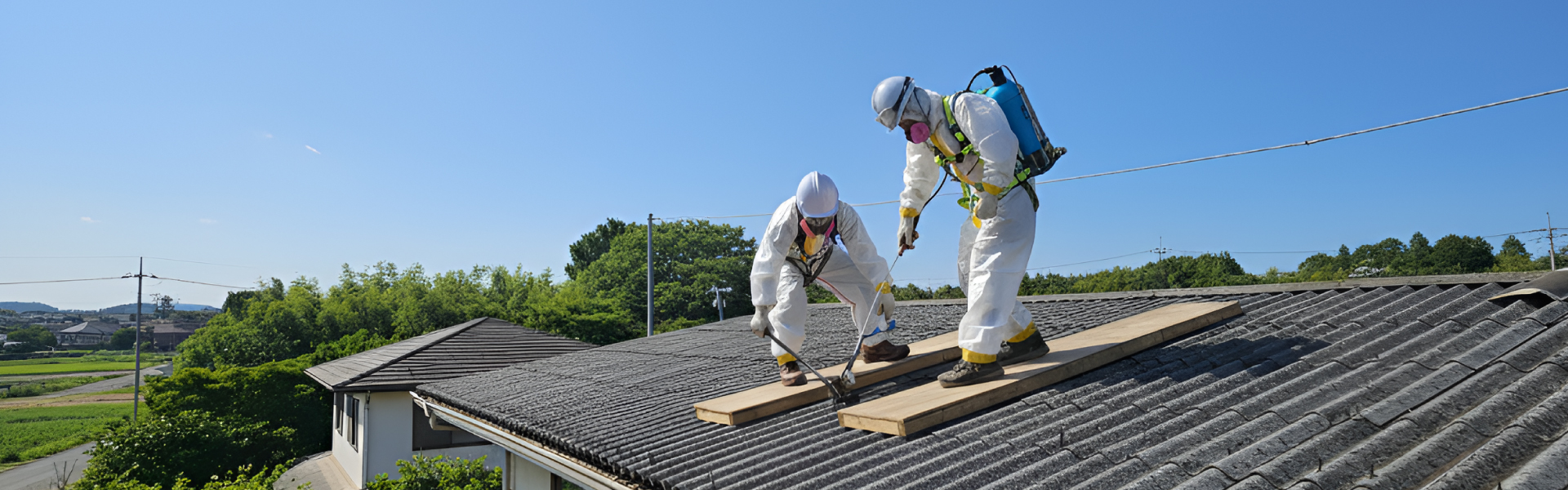
Some old buildings have dangerous materials like asbestos. That’s why commercial asbestos removal in Sydney is needed before demolition, to keep everyone safe.
Types of Commercial Demolition
Different projects need different ways to remove buildings. Here are the main types explained in a simple way:
1. Full Demolition
This is when the whole building is removed from top to bottom. It is used when the building is unsafe or when the land is needed for a new project.
2. Selective Demolition
Only certain parts of the building are taken down, while the rest stay. This is often done during renovations where some areas need fixing, but the main structure is still strong.
3. Interior Strip Out
This method removes the inside parts of a building, like walls, ceilings, floors, and fittings, but keeps the outside structure safe.
It is also called:
- commercial strip out
- commercial de-fit and strip out
4. Soft Demolition
A careful way to remove fixtures, fittings, and finishes without damaging the main building.
Also called soft commercial demolition, it is great for renovation projects.
5. Deconstruction
An eco-friendly method where materials are removed slowly and carefully so they can be reused or recycled. This helps reduce waste and is better for the environment.
Choosing the right type of demolition keeps the project safe, faster, and easier to manage.
Step-by-Step Demolition Process
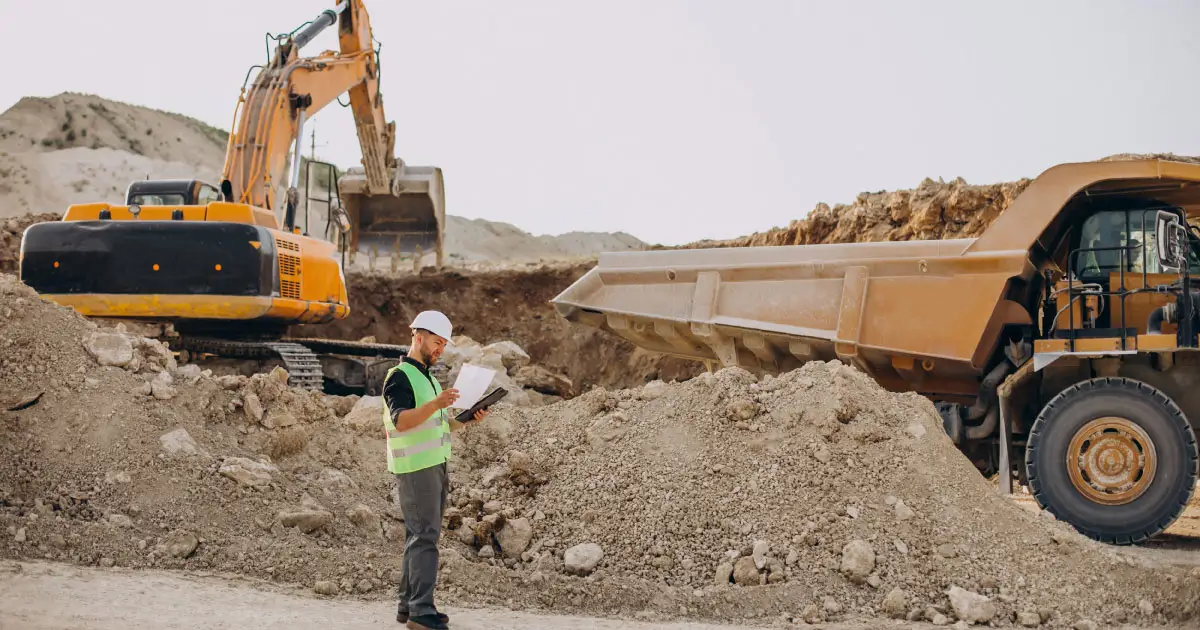
Commercial demolition is not just breaking a building. It is a careful process to make sure everyone stays safe, and the work is done the right way. Here is an easy guide to understand it step by step:
Step 1: Site Inspection
Experts first check the building to see how strong it is and look for risks. They also check for dangerous materials like asbestos. This helps plan the safest way to take the building down.
Step 2: Planning & Permits
A clear plan is made for the demolition. All the required permits and approvals from local authorities are collected to make sure the work follows the law and safety rules.
Step 3: Hazard Removal
Any dangerous materials, like asbestos or lead, are carefully removed before demolition starts. This keeps workers, people nearby, and the environment safe.
Step 4: Utility Disconnection
Water, gas, electricity, and other services are safely turned off by professionals. This stops accidents from happening while the demolition work is done.
Step 5: Demolition Work
The building is carefully taken apart using the right tools and methods. The type of demolition depends on the building’s size and structure. Safety is always the most important thing.
Step 6: Cleanup & Recycling
After the building is removed, all debris is cleared from the site. Materials like metal, wood, and concrete are sorted and recycled to reduce waste and help the environment.
Step 7: Site Preparation
The land is cleared and levelled. This makes it ready for new construction, renovations, or redevelopment projects.
By following these steps, commercial demolition is done safely, efficiently, and responsibly.
What Affects the Cost?
The cost of commercial demolition depends on several factors:
- Size and type of building
- Location and access to the site
- Materials used (steel, concrete, etc.)
- Presence of hazardous materials
- Type of demolition method used
- Waste removal and recycling needs
Planning can help control costs and avoid surprises.
Safety and Rules You Must Follow
Safety is very important when taking down a building. Following the right rules keeps workers and nearby people safe. Here’s what needs to be done:
- Use Trained Professionals and Proper Equipment
Only skilled workers should handle demolition, using the correct tools and machines for the job. - Safe Handling of Dangerous Materials
Materials like asbestos and lead must be removed carefully to avoid health risks. - Follow Safety and Environmental Rules
All local laws and safety regulations should be followed to protect workers and the environment. - Control Dust and Noise
Dust and loud noises should be controlled so they don’t harm workers or neighbours. - Plan Carefully
Good planning helps prevent accidents and makes the project run smoothly from start to finish.
Following these steps keeps the demolition site safe, clean, and efficient.
Helpful Tips Before Starting a Demolition Project
Here are some easy tips to make sure your demolition project goes well:
- Get a Full Inspection First
Check the building carefully to understand its condition and what work is needed. - Check for Hazardous Materials Early
Look for dangerous materials like asbestos or lead before starting. - Choose the Right Demolition Method
Pick the method that fits your project, whether it’s full demolition, soft demolition, or a strip out. - Hire Experienced Professionals
Make sure the team has the right licences, insurance, and experience. - Ask for a Clear Quote
Get a detailed quote with all costs included so there are no surprises. - Plan for Waste Management and Recycling
Sort and recycle materials like wood, metal, and concrete to reduce waste. - Think About Future Use of the Site
Plan what the land will be used for after demolition, whether it’s a new building, renovation, or landscaping.
How to Choose the Right Contractor?
Choosing the right contractor is very important for a safe and successful demolition project. Here’s what to look for:
- Proven Experience
Pick a contractor who has done similar projects before and knows what they’re doing. - Proper Licences and Insurance
Make sure the team is licensed and insured. This protects you and the workers. - Strong Safety Record
A contractor with a good safety record will follow all rules and prevent accidents. - Clear Communication and Pricing
They should explain the process clearly and give a quote with all costs upfront. - Ability to Handle Specific Services
Check if they can do services like commercial strip out or soft commercial demolition in Sydney.
A reliable contractor will guide you through every step, keep the site safe, and make sure the project goes smoothly.
Final Thoughts
Commercial demolition is more than just tearing down a building. It requires careful planning, safety measures, and the right expertise.
Whether you need full demolition, commercial de-fit and strip-out, or commercial make-good services, working with skilled professionals will help you complete your project safely and efficiently.
With the right approach, you can prepare your site for its next phase and move forward with confidence.
Ready to get started? Contact Sydney Demolition & Excavation today for reliable, safe, and professional demolition services tailored to your project needs.